A Genealogy of Liberty with Quentin Skinner
A Genealogy of Liberty with Quentin Skinner
Related videos

Hypothesis Testing - Lecture at The University of Illinois
This is an excerpt from a statistics lecture at the University of Illinois, focusing on hypothesis testing. Hypothesis testing is one of the core t...

Descriptive Statistics - Lecture at The University of Illinois
This is a descriptive statistics lecture from the University of Illinois, designed to lay a solid foundation for data science learners. Descriptive...

Adding Rows and Columns to DataFrames – University of Illinois Lecture
This is a hands-on lesson from the University of Illinois' "Data Science Discovery" lecture series, focusing on one of the most fundamental and com...

Thin Film Interference | Engineering Physics | Complete One-Shot | For All Universities
This is an in-depth lecture on "thin-film interference" designed for engineering physics learners, produced by the Pradeep Giri team. Its content c...
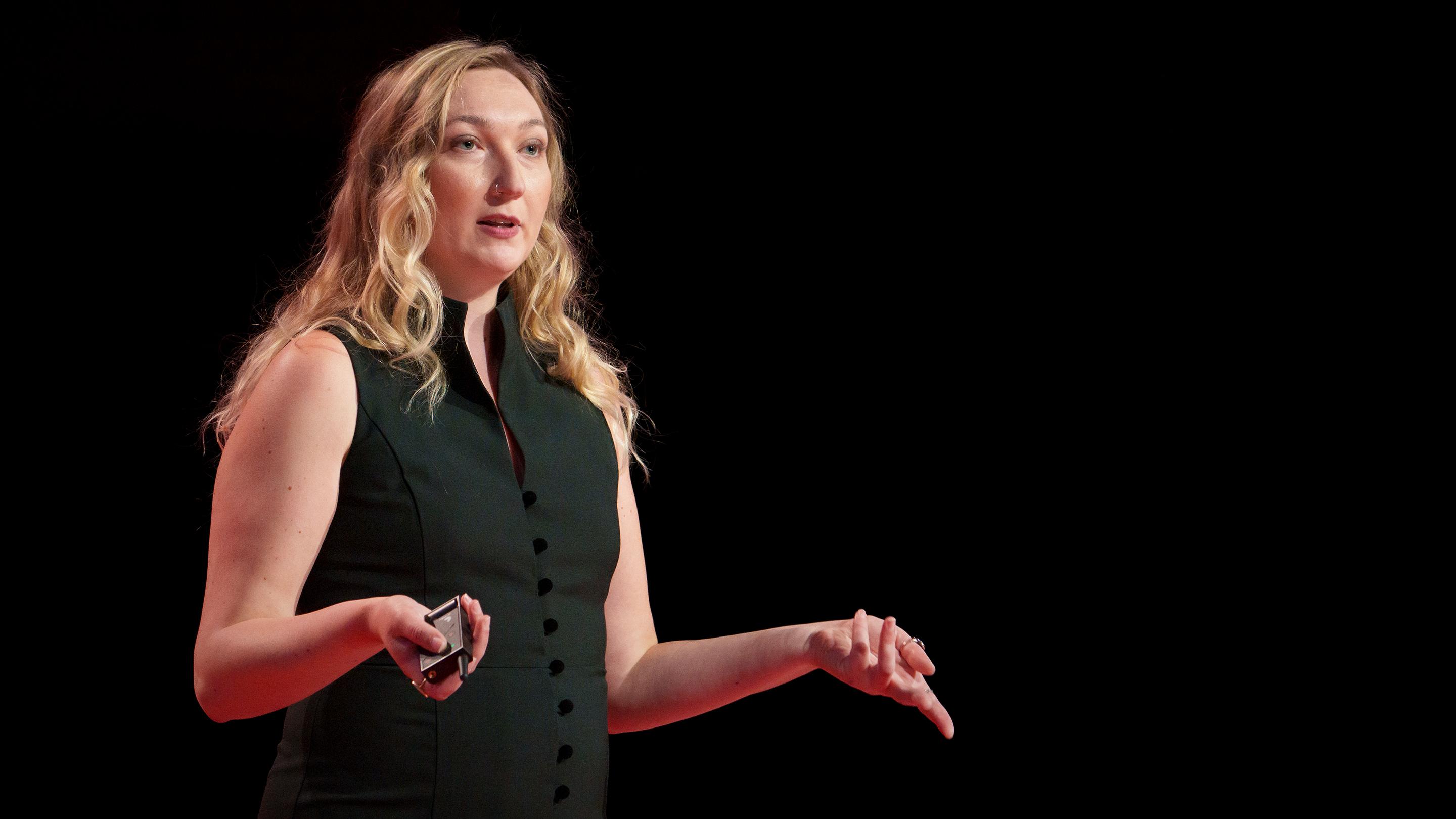
Spot the Lies in Your News Feed
This is a content segment that lasts about 11 minutes. Background: Traditional journalism is waning, and algorithmic content delivery is becoming t...

B.Sc 1st Semester Physics One Shot | Class - 01 | Complete Theory + Important Questions | Nayabali Sir
Video duration: approximately unknown. This lesson is a crash-course introduction to the first-semester physics course for first-year B.Sc. student...
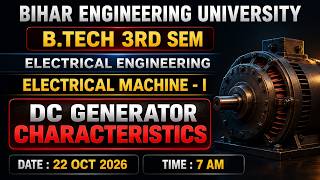
🔥DC Generator Characteristics in Electrical Machines | B.Tech 3rd Year | Live Engineering Class
Video length: unknown. This is a live-streamed lecture for undergraduate students majoring in electrical engineering, focusing on the external char...

MCP Security Basics Course
MCP (Model Context Protocol) is becoming a key bridge connecting AI agents with external tools and data, yet the protocol's own security boundaries...

5 sneaky ways stores get you to spend more
This is a science education short film of approximately 6 minutes, produced by Homework Studio and co-produced with Nobel Prize Outreach. The short...
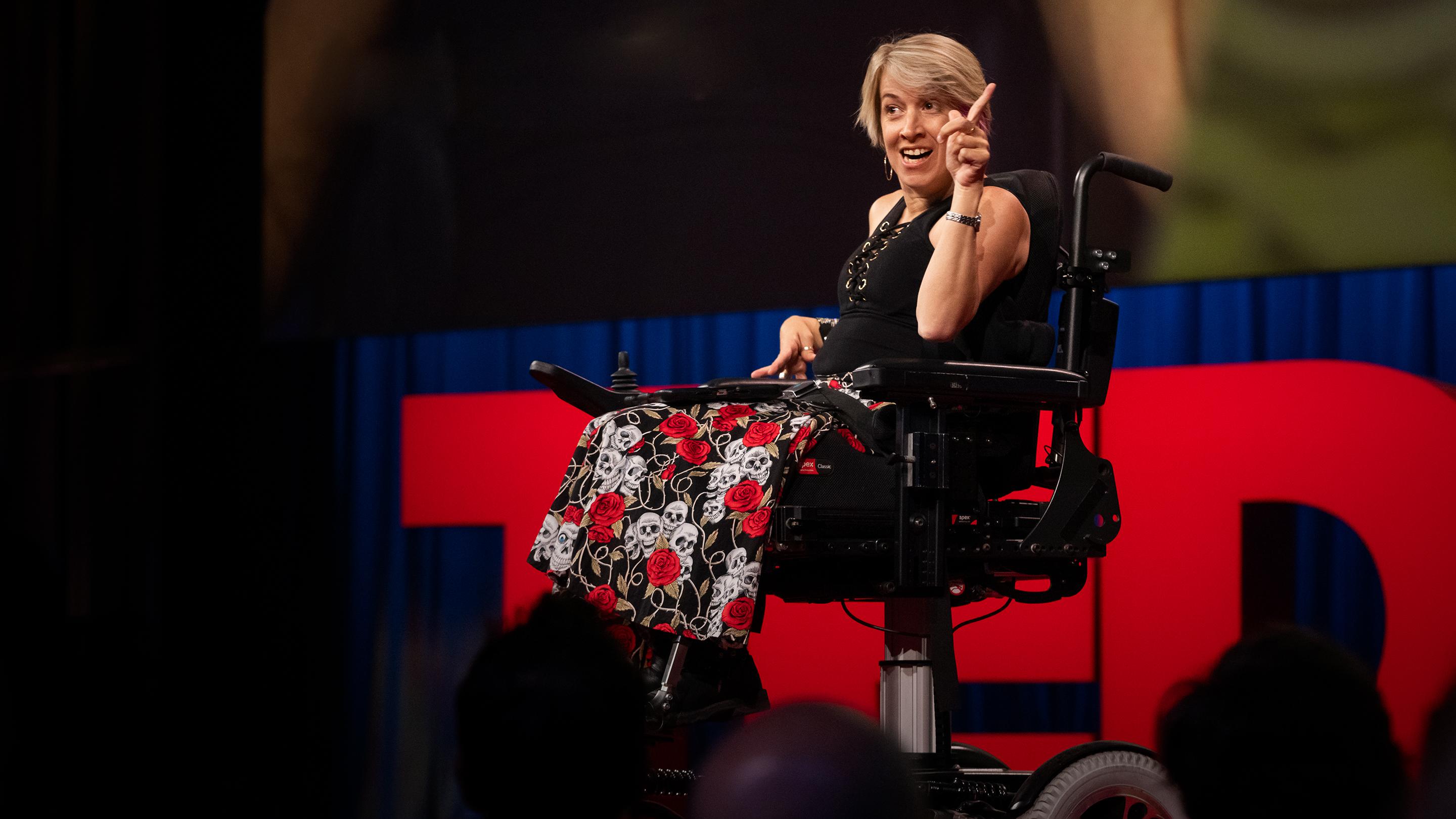
Can't Speak? Here's How to Get Listened To
Jessica Owen is a photographer, artist, author, and performer. Unable to speak due to cerebral palsy, she communicates daily through a device that ...

Thevenin’s Theorem Explained 🔥 | Step-by-Step Numericals + Dependent Sources | BEE Lecture 6
This is course content focused on the core theory of circuit analysis. Thevenin's theorem is one of the most important tools in circuit analysis; i...
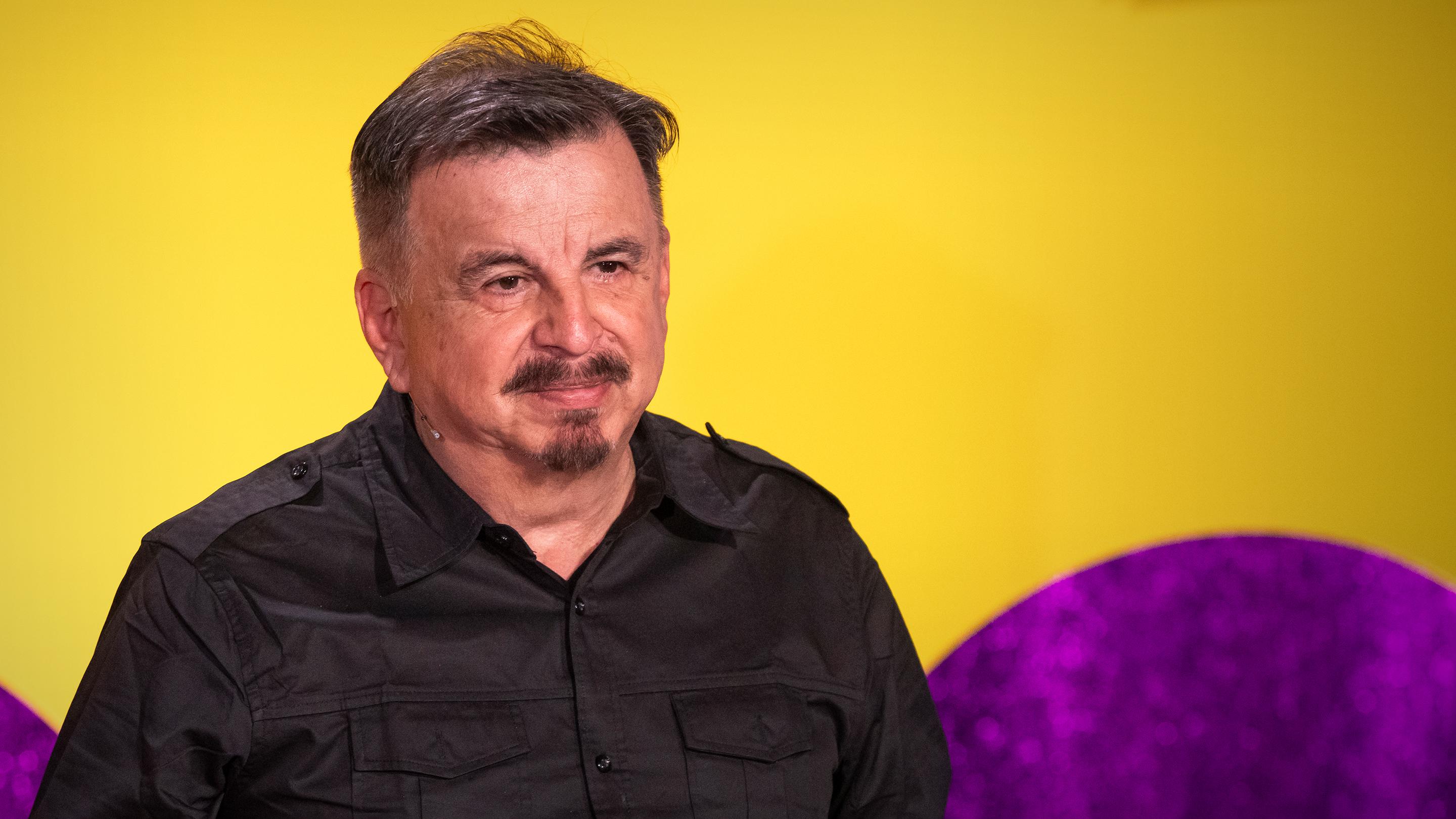
How would you design your dream city?
The total runtime is approximately 8 minutes; please plan your viewing time accordingly. Urban planner James Rojas shares a refreshing approach: in...