Thevenin’s Theorem Explained 🔥 | Step-by-Step Numericals + Dependent Sources | BEE Lecture 6
Thevenin’s Theorem Explained 🔥 | Step-by-Step Numericals + Dependent Sources | BEE Lecture 6
Related videos

How would you design your dream city?
The total runtime is approximately 8 minutes; please plan your viewing time accordingly. Urban planner James Rojas shares a refreshing approach: in...
Want Someone to Change? Ask This Question
This is a roughly six-minute piece drawn from the field observations of leadership expert Philip Jameson. He has long witnessed a common workplace ...

Intro to University Mathematics (2026) – Lecture 4 (First-Year)
This is the fourth lecture (counting from zero, making it the fifth in sequence) of the 2026 Freshman Introduction to Mathematics course. Designed ...

Free Speech In Polarized Times
**Introduction: Free Speech in an Era of Polarization** **Context:** As American society grows increasingly divided and political positions harden,...
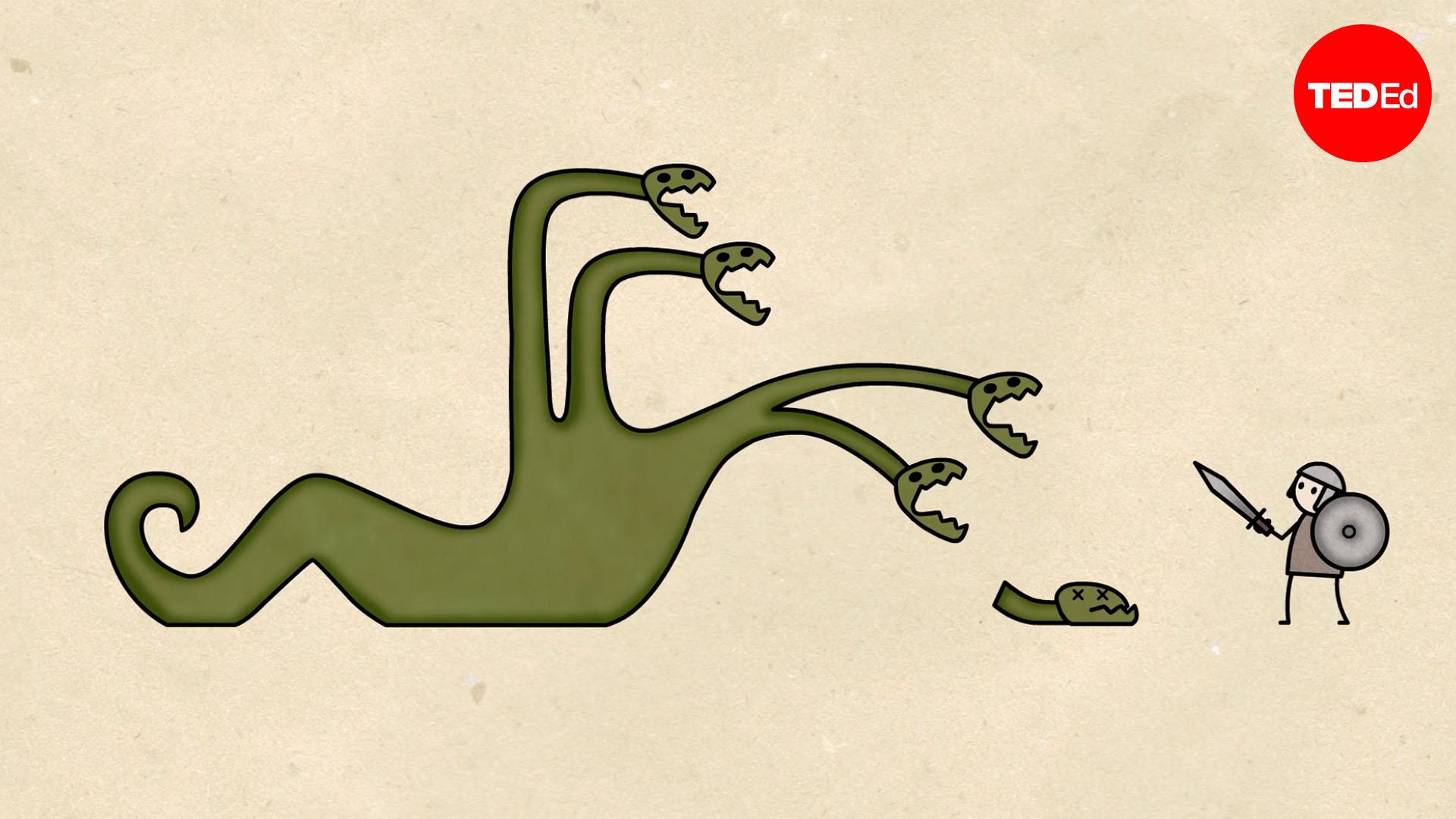
Meet the hydra: Masters of immortality
In 1740, naturalist Abraham Trembley discovered a puzzling creature in pond water: it moved and fed like an animal, yet could regenerate like a pla...
Why the Best Learners Talk to Themselves
This is a roughly 15-minute popular science video. Cognitive scientist Tania Lombrozo begins with the current age of information overload and highl...

Thermal Giant Graviton Expansion - Kasia Budzik
**Introduction** This lecture focuses on the topic of "hot graviton" at the forefront of string theory. The graviton is the quantum description of ...

What If You Could Read Your Future Child's DNA?
This is a piece of content approximately 13 minutes long. Background: Throughout human history, a child's genetic makeup has always been a random o...

Bachelor AI in Engineering — This Is the First Lecture | Karlsruhe University of Applied Sciences
This video comes from Karlsruhe University of Applied Sciences (Hochschule Karlsruhe) and serves as orientation material for the Bachelor's program...
Saturday Morning Physics - Dark Matter, Dark Energy, and Einstein's Cosmological Constant
This is a fascinating excerpt from the "Saturday Morning Physics" lecture series, presented by the distinguished physicist Bharat Ratra. The lectur...

CDR, VDR & Source Transformation University Exam Style 🔥 | Step-by-Step Solving | BEE Lecture 4
The video duration is approximately unknown. This segment is Lecture 4 of the "Fundamental Electrical Engineering Crash Course," focusing on three ...

Making Michigan Lecture Series - 10/15/26
This is a lecture of unknown duration from the University of Michigan's "Making Michigan" series. The series focuses on campus development, academi...