MIT Python Course — Lecture 2: Strings, Input/Output, and Branching | Free University Course 2026
MIT Python Course — Lecture 2: Strings, Input/Output, and Branching | Free University Course 2026
Related videos

MIT Python Course — Lecture 6: Recursion and Dictionaries | Free University Course 2026
This is a Chinese guide to an episode from MIT 6.100L, a free open course. As Lecture 6 of the new 2026 edition, this lesson focuses on two core Py...

Inverse Matrices and Partitioned Matrices – Lecture 6 (Linear Algebra)
This is a specialized lecture on matrix inversion and block matrices in linear algebra. Building on the foundational framework of matrix algebra, i...
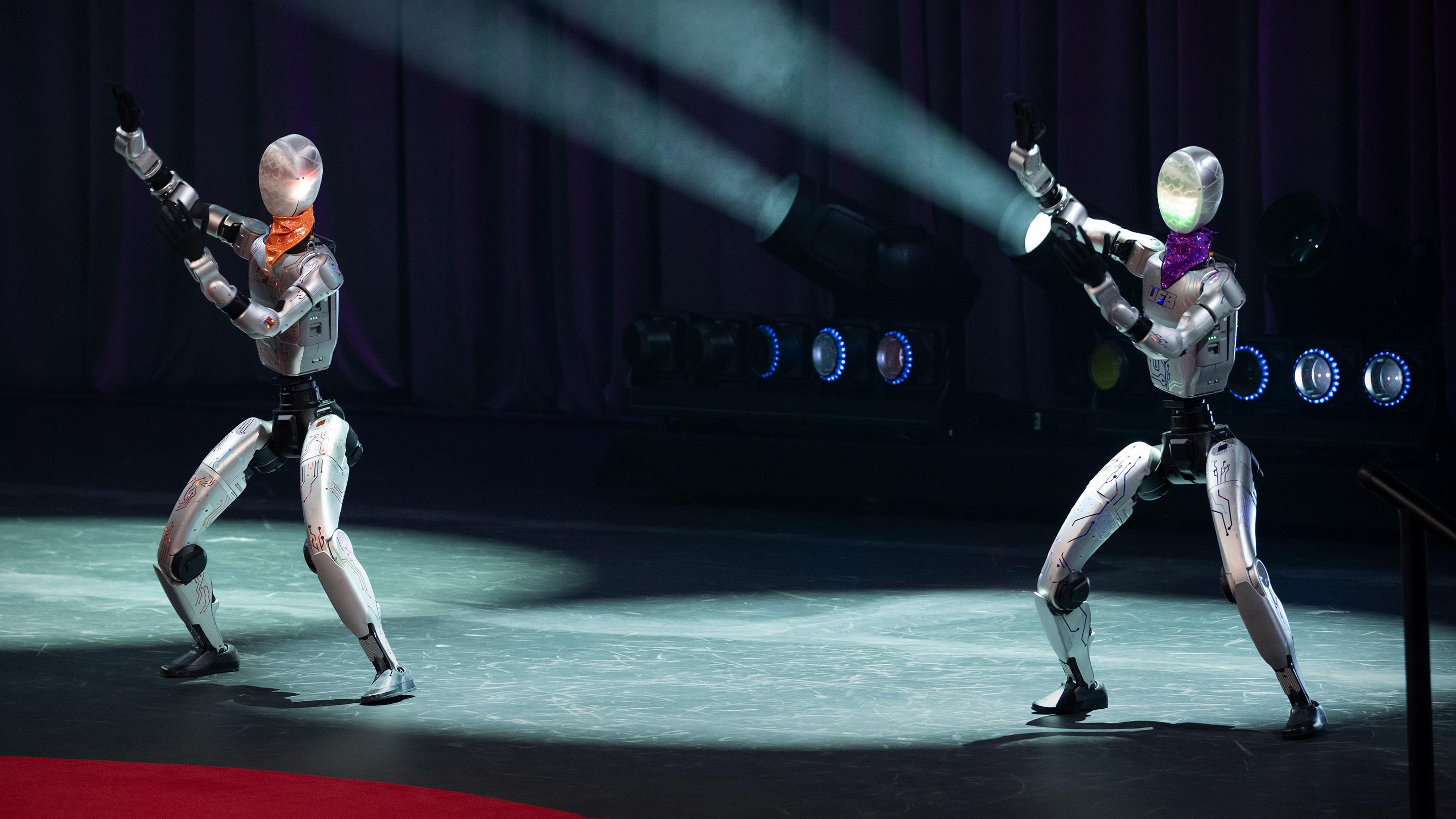
How to Teach a Robot to Dance
The total runtime is about 6 minutes, so please plan your viewing time accordingly. Traditional robot training often relies on thousands of hours o...

Hypothesis Testing - Lecture at The University of Illinois
This is an excerpt from a statistics lecture at the University of Illinois, focusing on hypothesis testing. Hypothesis testing is one of the core t...

Correlation - Lecture at The University of Illinois
This is a computer science open course from the University of Illinois, focusing on a crucial concept in data science—correlation. The course syste...

Descriptive Statistics - Lecture at The University of Illinois
This is a descriptive statistics lecture from the University of Illinois, designed to lay a solid foundation for data science learners. Descriptive...

Adding Rows and Columns to DataFrames – University of Illinois Lecture
This is a hands-on lesson from the University of Illinois' "Data Science Discovery" lecture series, focusing on one of the most fundamental and com...

Thin Film Interference | Engineering Physics | Complete One-Shot | For All Universities
This is an in-depth lecture on "thin-film interference" designed for engineering physics learners, produced by the Pradeep Giri team. Its content c...

How people are using AI to grieve, love and connect
As anxieties about "AI replacing human relationships" saturate the internet, digital anthropologist Jennifer Cearns offers a counterintuitive obser...

Free Speech Week Keynote Lecture | University of Oklahoma
This is an academic lecture on the core controversies surrounding freedom of speech in the United States. The lecture is part of the keynote speech...
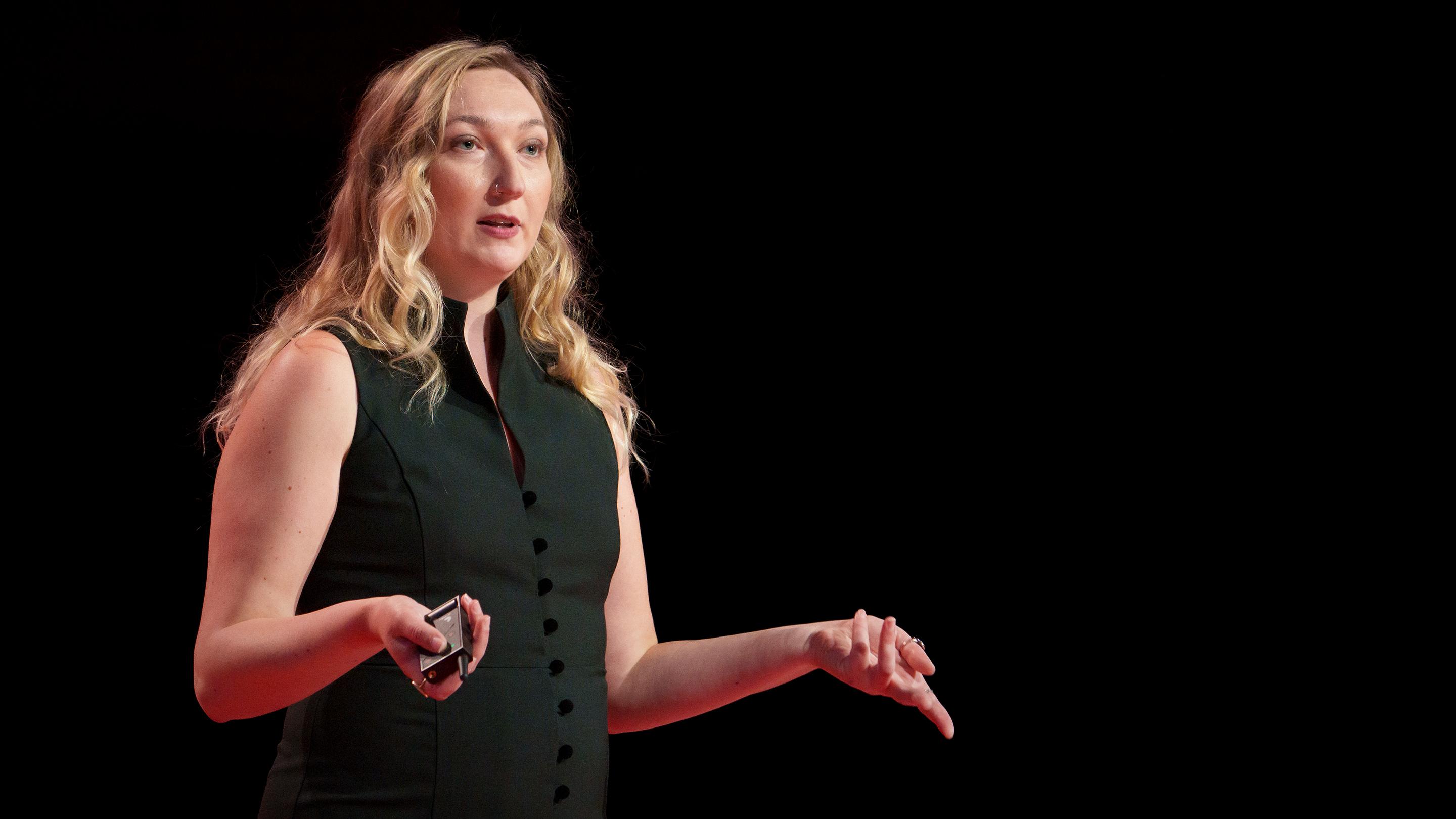
Spot the Lies in Your News Feed
This is a content segment that lasts about 11 minutes. Background: Traditional journalism is waning, and algorithmic content delivery is becoming t...

B.Sc 1st Semester Physics One Shot | Class - 01 | Complete Theory + Important Questions | Nayabali Sir
Video duration: approximately unknown. This lesson is a crash-course introduction to the first-semester physics course for first-year B.Sc. student...